There's nothing quite like biting into a sun-warmed strawberry you grew yourself — and when you grow them organically, the flavor is even more intense. Commercially grown strawberries regularly top the Environmental Working Group's "Dirty Dozen" list for pesticide residues, making them one of the most important fruits to grow organically at home.
Organic strawberries aren't just healthier — a study published in PLOS ONE found that organically grown strawberries had higher antioxidant activity, longer shelf life, and better flavor ratings than conventionally grown ones. This guide walks you through everything you need to know to grow a bountiful organic strawberry patch.
Choosing Strawberry Varieties
Three Types of Strawberries
June-Bearing
Produce one large, concentrated harvest over 2–3 weeks in late spring/early summer. Best for preserving, freezing, and making jam. Varieties: Earliglow, Jewel, Honeoye, Chandler.
Everbearing
Produce two to three smaller harvests: spring, mid-summer, and fall. Good for fresh eating throughout the season. Varieties: Ozark Beauty, Quinault, Fort Laramie.
Day-Neutral
Produce fruit continuously from late spring through fall, regardless of day length. Best for longest harvest window. Varieties: Seascape, Albion, Tristar, Mara des Bois (exceptional flavor).
Best Varieties for Organic Growing
- Earliglow — Outstanding flavor, good disease resistance, cold-hardy
- Seascape — Heavy producer, day-neutral, performs well in most climates
- Mara des Bois — French alpine flavor in a full-sized berry, everbearing
- Jewel — Large berries, resistant to multiple diseases
- Albion — Excellent flavor and disease resistance, day-neutral
Soil Preparation for Organic Strawberries
Strawberries have shallow root systems and are particularly responsive to soil quality. The time you invest in soil preparation pays back with healthier plants and bigger harvests for years.
Ideal Soil Conditions
- pH: 5.5–6.5 (strawberries prefer slightly more acidic soil than most vegetables)
- Texture: Well-draining sandy loam is ideal — strawberries are highly susceptible to root rot in heavy, wet soil
- Organic matter: 3–5%, worked into the top 8–10 inches
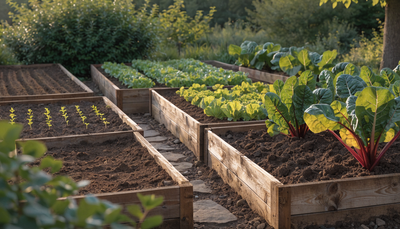
- Drainage: Critical — raised beds or mounded rows are strongly recommended
Preparing the Strawberry Bed
- Clear all weeds thoroughly — strawberries compete poorly with weeds, especially in their first year. If converting lawn, prepare the bed at least one season in advance
- Amend with compost: Work 3–4 inches of finished compost into the bed
- Inoculate with beneficial microbes: Strawberry roots form strong symbiotic relationships with mycorrhizal fungi. Applying a full-spectrum microbial inoculant at planting time can increase strawberry yields by 20–30% and significantly improve disease resistance
- Adjust pH if needed: If your soil is above 6.5, work in sulfur or peat moss. If below 5.5, add a small amount of lime
- Avoid recently limed soils — strawberries prefer a slightly acidic environment
Site Selection
Strawberries need full sun (at least 8 hours daily) for maximum sweetness and production. Choose a spot with good air circulation to reduce fungal disease pressure. Avoid low-lying areas where cold air pools — late frosts damage strawberry blossoms and destroy potential fruit.
Important: Don't plant strawberries where tomatoes, peppers, eggplants, or potatoes grew in the previous 3 years. These crops can harbor Verticillium wilt, which is devastating to strawberries.
Planting Strawberries
When to Plant
Plant bare-root strawberries in early spring, as soon as the soil can be worked (4–6 weeks before last frost). In mild-winter climates (zones 8–10), fall planting (October–November) gives plants time to establish roots before spring production.
Planting Depth
This is the most critical detail in strawberry planting. The crown (where roots meet stems) must sit exactly at soil level:
- Too deep: Crown buried → crown rot and plant death
- Too shallow: Roots exposed → plants dry out and die
- Just right: Crown at soil surface, roots fanned out in hole, soil firmed around roots
Spacing and Layout
Matted Row System (easiest for home gardeners)
- Plant 18 inches apart in rows 3–4 feet apart
- Allow runners to fill in the row to a width of 18–24 inches
- Best for June-bearing varieties
Hill System (best yields per plant)
- Plant 12–15 inches apart in staggered double or triple rows
- Remove all runners — forces energy into fruit production
- Best for day-neutral and everbearing varieties
First-Year Management
For June-bearing varieties, pinch off all flowers the first year. This painful sacrifice allows plants to invest energy into root development and runner production, resulting in a much larger harvest in year two. For day-neutral and everbearing types, pinch flowers until early July of the first year, then allow late-season fruit.
Watering Strawberries Organically
Water Requirements
- Amount: 1–1.5 inches per week, more during fruiting and hot weather
- Method: Drip irrigation or soaker hoses are essential — overhead watering promotes gray mold (Botrytis), the number-one strawberry disease
- Timing: Water in the morning so foliage dries quickly
- Mulch: Straw is the traditional strawberry mulch — it retains moisture, suppresses weeds, and keeps fruit off the soil (reducing rot and slug damage)
Critical Watering Periods
- During flowering: Consistent moisture is essential for fruit set
- During fruit development: Water stress at this stage produces small, seedy, flavorless berries
- Late fall (in cold climates): Water well before the ground freezes — this protects roots from winter damage
Organic Fertilizing Schedule for Strawberries
Strawberries need nutrient management that's different from most garden crops. Their perennial nature and shallow roots require a careful, consistent approach.
At Planting
Mix compost and a microbial inoculant into each planting hole. Mycorrhizal fungi are especially beneficial for strawberries — they extend the effective root zone, helping these shallow-rooted plants access water and phosphorus from a much larger soil volume.
First Year
Apply a balanced organic vegetative plant food 4 weeks after planting and again 6–8 weeks later. Focus on building strong plants and root systems.
Established Plants (Year 2+)
- Early spring (when growth resumes): Apply organic vegetative plant food to fuel early leaf and flower development
- At flowering: Switch to an organic bloom fertilizer — strawberries need extra phosphorus and potassium for fruit development
- After harvest (June-bearing): Apply vegetative fertilizer again to support runner production and next year's flower bud development
Season-Long Supplements
- Seaweed extract: Monthly foliar applications of organic kelp fertilizer provide potassium, trace minerals, and natural plant growth hormones that improve fruit size, sweetness, and shelf life
- Calcium: Apply organic chitin-based calcium in early spring and again at flowering — calcium strengthens cell walls and improves fruit firmness and flavor
- Fish hydrolysate: A mid-season drench with organic fish hydrolysate provides easily absorbed phosphorus plus amino acids that feed soil microbes
Organic Pest Control for Strawberries
Common Strawberry Pests
Slugs and Snails
- The number-one organic strawberry pest — they eat holes in ripe fruit, especially overnight
- Use iron phosphate slug bait (OMRI-listed, safe for organic gardens)
- Copper tape around raised bed edges deters slugs
- Straw mulch elevates fruit off soil, reducing damage
- Beer traps catch slugs effectively
Strawberry Bud Weevil (Clipper)
- Clips flower stems below the bud, preventing fruit formation
- Floating row covers during bud stage
- Remove and destroy clipped buds to break the cycle
Spider Mites
- Tiny dots on leaf undersides, webbing in severe cases
- Spray with strong water jet, apply neem oil
- Predatory mites are the best long-term organic control
Tarnished Plant Bug
- Causes misshapen "cat-faced" berries
- White sticky traps for monitoring
- Keep beds weed-free (they overwinter in weeds)
- Row covers during bloom
Natural Disease Resistance
Healthy soil biology is the foundation of organic pest management. When beneficial microbes are thriving in the root zone, plants produce more defense compounds and are less susceptible to both pests and diseases.
Common Strawberry Diseases and Organic Solutions
Gray Mold (Botrytis)
- Symptoms: Fuzzy gray mold covering ripe or nearly ripe berries
- Prevention: Good air circulation, drip irrigation (no overhead watering), straw mulch to keep fruit off soil, harvest promptly
- Treatment: Remove affected fruit immediately; Bacillus-based organic biofungicides
Powdery Mildew
- Symptoms: White powdery coating on leaves, leaf edges curl upward
- Prevention: Plant resistant varieties, ensure good air circulation
- Treatment: Potassium bicarbonate spray, neem oil, sulfur-based organic fungicide
Verticillium Wilt
- Symptoms: Outer leaves wilt and brown, plant dies from outside in
- Prevention: Don't plant after nightshades, use certified disease-free plants
- Treatment: No organic cure — remove and destroy affected plants. Don't replant strawberries in that spot for 4+ years
Harvesting Strawberries
When to Pick
Harvest when berries are fully red (no white tips remaining). Strawberries don't ripen further after picking. Pick in the morning when cool for best flavor and longest shelf life.
Harvesting Tips
- Pinch the stem 1/4 inch above the berry — don't pull on the fruit
- Harvest every 2–3 days during peak production
- Place berries in shallow containers to prevent crushing
- Refrigerate immediately — organic strawberries without fungicide treatments are more perishable
Yields to Expect
A healthy organic strawberry plant produces 1–2 pints of berries per season. For a family of four, plant 25–50 plants for fresh eating, or 50–100+ if you want to freeze and preserve.
Winter Care and Renovation
Winter Mulching
In zones 6 and colder, apply 4–6 inches of clean straw over beds after the first hard frost. Remove gradually in spring when new growth appears.
Annual Renovation (June-Bearing)
After harvest, renovate June-bearing beds:
- Mow or cut foliage to 1 inch above crowns
- Narrow rows to 12 inches wide
- Apply compost and organic fertilizer
- This rejuvenates beds for 3–5 productive years
Frequently Asked Questions
Can I grow strawberries in containers?
Yes — strawberries are excellent container plants. Use at least an 8-inch pot per plant or a strawberry tower/planter. Container strawberries need more frequent watering and feeding since the limited soil volume dries out and depletes quickly. Day-neutral varieties like Seascape and Albion are best for container growing.
Should I remove strawberry runners?
It depends on your system. In the hill system (everbearing/day-neutral), remove all runners to maximize fruit production. In the matted row system (June-bearing), allow runners to fill the row to 18–24 inches wide, then trim extras. Runner removal always increases fruit size and yield per plant.
How many years do strawberry plants produce?
Strawberry plants typically produce well for 3–4 years, with the best harvests in years 2 and 3. After that, production declines and disease pressure increases. Plan to replant or renovate every 3–4 years, ideally in a new location to prevent soil-borne disease buildup.
What causes small, seedy strawberries?
Small, deformed berries are usually caused by poor pollination (cold weather during bloom), water stress during fruit development, or nutrient deficiency (especially phosphorus and potassium). Ensure consistent watering, adequate nutrition during fruiting, and protect blossoms from late frosts.
How do I grow the sweetest organic strawberries?
Sweetness depends on: full sun (8+ hours), adequate potassium (seaweed extract is an excellent organic source), picking at peak ripeness, and growing varieties bred for flavor (Earliglow, Mara des Bois). Slightly reducing watering just before harvest concentrates sugars — but don't overdo it.
Continue Growing
Explore more organic growing guides from the Growganica Lab:
- How to Grow Tomatoes Organically
- How to Grow Peppers Organically
- How to Grow Cucumbers Organically
- How to Grow Basil Organically
- How to Grow Raspberries Organically
- How to Grow Blueberries Organically
Browse our full organic plant supplement lineup or check the feeding schedule for product application rates.