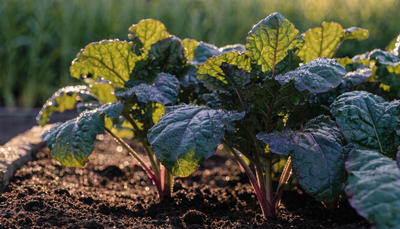
Spinach is one of the most nutrient-dense vegetables you can grow — packed with iron, folate, vitamins A, C, and K, and powerful antioxidants. Growing it organically amplifies these benefits: a study in the Journal of Agricultural and Food Chemistry found that organically grown spinach contains significantly higher levels of flavonoids and vitamin C than conventionally grown spinach.
While spinach has a reputation for bolting at the first hint of warmth, choosing the right varieties and timing your plantings correctly makes growing this superfood remarkably straightforward. Here's how to harvest lush, tender spinach from your organic garden for much of the year.
Choosing the Right Spinach Varieties
By Leaf Type
- Savoy (crinkled leaves): Traditional spinach texture, excellent flavor, but traps dirt in the crinkles. Best for home gardens where you can wash thoroughly. Bloomsdale Long Standing is the classic choice
- Flat/Smooth-leaf: Easier to clean, preferred for processing and baby spinach. Space and Renegade are top performers
- Semi-savoy: The best of both worlds — slightly crinkled for good texture but easier to clean than full savoy. Tyee and Corvair are outstanding
Best Varieties for Organic Growing
- Bloomsdale Long Standing — The heirloom standard. Beautiful savoy leaves, slow to bolt, excellent flavor. Cold-hardy
- Tyee — Semi-savoy hybrid with outstanding bolt resistance and downy mildew resistance. One of the best all-around choices for organic gardens
- Corvair — Smooth-leaf, excellent bolt resistance, good for baby spinach and spring plantings
- Winter Bloomsdale — Specifically bred for fall/winter growing, extremely cold-hardy, deep savoy leaves
- Renegade — Smooth-leaf with exceptional bolt resistance and downy mildew tolerance, fast-growing
- Giant Winter — Large-leafed heirloom that thrives in cool weather, outstanding for overwintering
Soil Preparation for Organic Spinach
Spinach grows quickly and needs nutrient-rich soil to produce the large, dark green leaves that indicate high nutritional quality. It's a heavy nitrogen feeder with a shallow root system, so the top few inches of soil matter most.
Ideal Soil Conditions
- pH: 6.5–7.5 (spinach is one of the few vegetables that prefers near-neutral to slightly alkaline soil)
- Texture: Rich, moisture-retentive loam with excellent drainage
- Organic matter: High — work in generous compost before each planting
- Nitrogen: Spinach demands consistent nitrogen for rapid leaf production
Building Living Soil for Spinach
Living soil produces the best spinach because the beneficial microorganisms continuously convert organic matter into plant-available nitrogen — exactly what spinach needs for rapid, nutrient-dense growth. Microbe-rich soil also suppresses the soilborne pathogens (especially Fusarium and Pythium) that attack spinach roots.
- Incorporate 2–3 inches of quality compost before each planting cycle
- Apply microbial inoculant at planting — the nitrogen-cycling bacteria in a quality inoculant are particularly valuable for nitrogen-hungry spinach
- Maintain soil biology with light mulch — don't bury spinach crowns, but mulch between plants to protect the soil surface
- Check soil pH: Spinach performs poorly below pH 6.0 — add lime if your soil is too acidic
Planting Spinach: Timing and Technique
When to Plant
Spinach is a true cool-season crop. It germinates poorly above 75°F and bolts quickly when day length exceeds 14 hours and temperatures climb. Plan your plantings around this reality:
- Spring planting: Direct sow 4–6 weeks before last frost — spinach seeds germinate in soil as cool as 35°F
- Fall planting (the BEST season): Sow 6–8 weeks before first fall frost. Shorter days and cooling temperatures produce the sweetest, most tender spinach
- Winter growing: In USDA hardiness zones 6–9, spinach planted in fall overwinters under row cover or cold frames and explodes with growth in early spring
- Succession planting: Sow every 10–14 days in spring; every 2–3 weeks in fall
Sowing Technique
- Depth: ½ inch deep
- Pre-soaking: Soak seeds for 24 hours before planting to improve germination rate (unlike beans, spinach benefits from this)
- Germination: 5–14 days, depending on soil temperature
Spacing
- Baby spinach: 1–2 inches apart (dense seeding, harvest young)
- Full-sized leaves: Thin to 4–6 inches apart
- Row spacing: 12–18 inches between rows
Companion Planting
- Strawberries — Classic companion, similar growing conditions
- Peas — Fix nitrogen that spinach craves, provide light afternoon shade
- Radishes — Quick-growing markers and space-efficient companions
- Tall crops (tomatoes, corn) — Provide summer shade for late spring spinach, delaying bolting
Watering Organic Spinach
Best Practices
- Consistent moisture: Spinach needs evenly moist soil — drought stress triggers bolting
- Light, frequent watering: The shallow root system benefits from regular moisture rather than deep, infrequent soaking
- Morning watering: Keep foliage dry by watering early — wet leaves promote downy mildew, spinach's worst disease
- Mulch: A thin layer of organic mulch keeps roots cool and soil moist — both critical for preventing premature bolting
Organic Fertilizing Schedule for Spinach
Spinach is a fast-growing, nitrogen-hungry leaf crop. A proper organic feeding program produces noticeably larger, darker green leaves with higher nutritional content.
At Planting
Work in compost and apply microbial inoculant to activate the soil food web. The nitrogen-cycling bacteria are particularly valuable — they continuously convert organic matter into the forms spinach can absorb immediately.
Throughout the Growing Cycle
Since spinach is harvested for leaves, it stays in a vegetative growth phase its entire life. Apply organic vegetative plant food every 2 weeks from the time seedlings have 4 true leaves. Consistent nitrogen produces the fast, continuous leaf growth that maximizes your harvest window before bolting.
Supplemental Feeding
- Seaweed boost: Organic kelp fertilizer as a foliar spray every 2 weeks provides trace minerals, natural cytokinins, and potassium that improve leaf quality, color, and stress tolerance
- Magnesium: Organic magnesium and micronutrient supplement is especially valuable for spinach — magnesium is the central atom in chlorophyll, and spinach's famously dark green color depends on adequate magnesium levels
- Fish hydrolysate: A mid-cycle drench with organic fish hydrolysate provides nitrogen and phosphorus while feeding beneficial soil organisms
Organic Pest Control for Spinach
Common Spinach Pests
Leaf Miners
- The #1 organic spinach pest — larvae tunnel between leaf layers, creating visible pale trails
- Floating row covers are the most effective prevention — keep covered from germination onward
- Remove and destroy affected leaves immediately to prevent spread
- Encourage parasitic wasps (Diglyphus isaea) which attack leaf miner larvae
Aphids
- Green peach aphids cluster on undersides of leaves
- Strong water blast, ladybugs, lacewings, insecticidal soap
Slugs and Snails
- Major pest for cool-season spinach in moist conditions
- Beer traps, diatomaceous earth, iron phosphate slug bait (organic-approved)
- Water in the morning so soil surface dries by evening
Flea Beetles
- Tiny shothole damage on leaves — row covers prevent damage on young plants
Common Diseases
Downy Mildew (Peronospora farinosa f. sp. spinaciae)
- The most serious spinach disease — yellow patches on upper leaves, gray-purple fuzz underneath
- Prevention: Grow resistant varieties (Tyee, Renegade), ensure excellent air circulation, avoid overhead watering, rotate crops
- Treatment: Remove affected leaves, copper-based organic fungicide
Fusarium Wilt
- Plants wilt despite adequate water, yellowing from bottom up
- Prevention: Crop rotation (5+ years), grow resistant varieties, maintain healthy soil biology with beneficial microbes
Harvesting Spinach
Cut-and-Come-Again Method
Harvest outer leaves when they're 3–5 inches long, leaving the center rosette intact. New leaves will continue growing for multiple harvests — this extends your productive window significantly compared to harvesting whole plants.
Full Plant Harvest
Cut the entire plant at the soil line when the rosette is full and before the center starts to elongate (a sign bolting is imminent). This is the fastest harvest method when processing large quantities.
Baby Spinach
Densely sown spinach can be harvested as baby greens at 3–4 inches tall (about 25–30 days from sowing). Simply shear the entire planting with scissors 1 inch above the soil line — most plants will regrow for a second harvest.
Bolting Management
Once the center stem begins to elongate, harvest everything immediately — leaves become bitter and tough once bolting begins. There's no reversing it once started.
Frequently Asked Questions
Why does my spinach keep bolting?
Spinach bolts when day length exceeds 14 hours and/or temperatures stay above 75°F. The solution is timing: grow spinach in spring (start early!) and fall (the best season). Choose bolt-resistant varieties like Tyee and Corvair. Provide afternoon shade, mulch to keep roots cool, and keep soil consistently moist — any stress accelerates bolting.
Can I grow spinach in summer?
True spinach is extremely difficult in summer heat. Instead, grow heat-tolerant spinach substitutes: Malabar spinach (a tropical vine), New Zealand spinach (not true spinach but similar flavor), or perpetual spinach (a chard variety). For real spinach, wait until fall — it's genuinely the better season.
Is spinach a good container crop?
Excellent. Spinach's shallow root system is perfectly suited to containers — even 6-inch deep windowbox planters work. Use quality organic potting mix, keep consistently moist, and feed with organic liquid fertilizer every 2 weeks. Place containers where they get morning sun but afternoon shade for the longest harvest window.
How many times can I harvest spinach?
Using the cut-and-come-again method, you can harvest outer leaves from the same plant 3–5 times over 4–6 weeks before it bolts. Baby spinach sown densely can usually be cut twice. Fall spinach that overwinters can produce for months since cold weather prevents bolting.
What's the best organic fertilizer for spinach?
Spinach needs consistent nitrogen throughout its life since you're always harvesting leaves. An organic vegetative plant food applied every 2 weeks produces the best results. Supplement with seaweed extract for trace minerals and a magnesium supplement for rich, dark green color. Starting with a microbial inoculant ensures nitrogen is continuously available from organic matter decomposition.