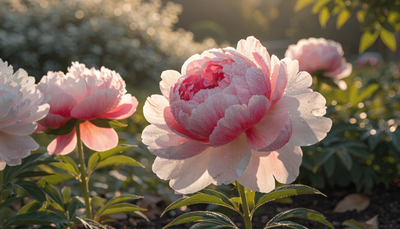
Growing roses organically proves that you don't need a cabinet full of synthetic chemicals to produce stunning, fragrant blooms. In fact, organic rose care builds healthier plants that resist diseases better, attract beneficial insects, and produce blooms with more intense fragrance — research shows that organically grown roses produce higher concentrations of the essential oils responsible for their legendary scent.
The secret to organic rose success isn't complicated: build extraordinary soil biology, choose disease-resistant varieties, feed strategically throughout the bloom cycle, and let nature's pest control do the heavy lifting. Here's how.
Choosing the Right Rose Varieties for Organic Growing
Variety selection is the single most important decision for organic rose growers. Many classic hybrid tea roses were bred for flower form with zero disease resistance — growing them organically is an uphill battle. Instead, choose varieties bred for garden performance and disease resistance.
Most Disease-Resistant Rose Categories
- David Austin English Roses: Combine old-rose flower form with modern disease resistance. Standouts include Olivia Rose Austin (best overall), Lady of Shalott, and Darcey Bussell
- Knock Out® series: Virtually disease-proof — bred specifically for low-maintenance growing. Double Knock Out (red), Blushing Knock Out (pink) need almost no spraying
- Rugosa roses: The toughest roses on earth — Hansa (purple, intensely fragrant), Blanc Double de Coubert (white), and Jens Munk (pink). Cold-hardy to zone 2, disease-proof, and produce edible rose hips
- Shrub roses: Carefree Beauty, Nearly Wild, and the Earth-Kind® series were specifically tested for performance without chemical inputs
- Own-root roses: Roses grown on their own roots (not grafted) are generally more adaptable, long-lived, and resilient than grafted roses
Best Individual Varieties for Organic Growing
- Olivia Rose Austin — Considered the best David Austin variety for disease resistance, continuous blooming, outstanding fragrance
- Hansa (Rugosa) — Bulletproof disease resistance, intense fragrance, large hips, cold-hardy to -40°F
- Carefree Beauty — Semi-double pink, blooms continuously, virtually disease-free, USDA Earth-Kind® designation
- The Fairy — Groundcover/landscape rose, continuous sprays of small pink flowers, exceptional disease resistance
- Queen Elizabeth — Grandiflora, vigorous grower, good disease resistance, pink blooms
- Zephirine Drouhin — Thornless climbing rose, deep pink, strong fragrance, tolerates shade
Soil Preparation for Organic Roses
Roses live for decades — sometimes centuries — so investing in soil preparation pays dividends for years. They need deep, rich, well-draining soil with exceptional biological activity.
Ideal Soil Conditions
- pH: 6.0–6.5 (slightly acidic) — roses are particular about pH
- Texture: Deep, well-draining loam. Roses have extensive root systems that can reach 3+ feet deep
- Organic matter: 5%+ — generous compost is the foundation
- Drainage: Essential — roses will not tolerate waterlogged soil (root rot kills more roses than any disease)
Building Living Soil for Roses
The biggest secret of organic rose growers is living soil. Mycorrhizal fungi form incredibly productive partnerships with rose roots, extending the root system's reach by up to 1,000 times. Studies show mycorrhizal roses show significantly better drought tolerance, disease resistance, and bloom quality.
- Dig a generous planting hole — 24 inches wide and 18 inches deep, even wider for clay soil
- Mix native soil with quality compost (50/50 blend) and backfill
- Apply microbial inoculant directly to the root zone at planting — this establishes mycorrhizal colonization from day one, dramatically improving the rose's establishment and long-term vigor
- Mulch with 3–4 inches of organic material (shredded bark, wood chips, or compost) — keep mulch 2 inches away from the crown
Planting Roses: Timing and Technique
When to Plant
- Bare-root roses: Plant in early spring (as soon as soil is workable) or fall (6 weeks before ground freezes). Bare root roses establish better than container roses when planted at the right time
- Container roses: Can be planted spring through early fall, but spring is ideal
Planting Technique
- Grafted roses: In cold climates (zones 3–6), plant the bud union 2–3 inches below soil level for winter protection. In mild climates (zones 7+), plant at soil level
- Own-root roses: Plant at the same depth they were growing in the container
- Water deeply after planting and continue daily for the first 2 weeks, then transition to regular watering schedule
Companion Planting
- Garlic and chives — Classic rose companions that repel aphids and may help prevent black spot
- Lavender — Attracts pollinators, deters deer, beautiful pairing
- Catmint (Nepeta) — Covers bare rose legs, attracts beneficial insects
- Geraniums — Repel Japanese beetles
- Alyssum — Ground cover that attracts hoverflies (aphid predators)
Watering Organic Roses
Best Practices
- Deep, infrequent watering: 1–2 inches per week, delivered in 1–2 deep soakings. Roses develop deep root systems when trained with deep watering
- Water at the base: Drip irrigation or soaker hoses only — wet foliage is the #1 contributor to black spot, powdery mildew, and rust
- Morning watering: If any water contacts foliage, morning watering ensures quick drying
- Mulch: Maintains consistent soil moisture and prevents soil splash (which spreads fungal spores to lower leaves)
Organic Fertilizing Schedule for Roses
Roses are heavy feeders that bloom on new growth — a robust organic feeding program directly translates to more and better blooms. The key is matching nutrition to the bloom cycle.
Early Spring (After Pruning)
When buds begin swelling in spring, apply compost (2–3 inch topdressing) and microbial inoculant to reactivate the soil food web after winter dormancy. Follow with organic vegetative plant food to fuel the vigorous new growth that carries the first flush of blooms.
First Bloom Cycle
As flower buds form, switch to organic bloom fertilizer to supply the phosphorus and potassium that drive flower size, color intensity, and fragrance. Supplement with Incredible Bulk bloom booster for maximum flower power — the high phosphorus and potassium fuel the enormous energy demands of producing large, fragrant blooms.
Between Bloom Flushes
After each bloom flush, deadhead spent flowers and apply organic vegetative plant food to fuel the new vegetative growth that will carry the next bloom cycle. When buds form again, switch back to bloom fertilizer.
Throughout the Season
- Seaweed extract: Organic kelp fertilizer as a foliar spray every 2 weeks strengthens cell walls (improving disease resistance), provides potassium for bloom quality, and delivers 60+ trace minerals
- Calcium: Chitin-based organic calcium strengthens stems, improves bloom longevity, and triggers the chitinase defense pathway that helps roses resist fungal diseases and pest attack
- Magnesium: Organic magnesium supplement improves leaf color and photosynthetic efficiency — essential for the energy production that drives continuous blooming
- Fish hydrolysate: Monthly soil drench with organic fish hydrolysate feeds the soil biology and provides gentle phosphorus for root and bloom development
Late Season
Stop fertilizing 6–8 weeks before first expected frost. Late feeding stimulates tender new growth that will be killed by frost, wasting the plant's energy and creating entry points for disease.
Pruning Organic Roses
Spring Pruning
Prune when forsythia blooms in your area (a reliable phenological indicator). Remove dead, damaged, and crossing canes. For hybrid teas and floribundas, cut back to 12–18 inches. For shrub roses, remove the oldest third of canes at the base.
Summer Maintenance
- Deadheading: Remove spent flowers to stimulate reblooming — cut back to the first outward-facing 5-leaflet leaf
- Remove diseased foliage immediately — don't let it fall and overwinter on the ground
- Sucker removal: On grafted roses, remove any growth originating below the bud union
Organic Pest Control for Roses
Common Rose Pests
Aphids
- Cluster on new growth and flower buds — the most common rose pest
- Strong water blast knocks off most populations
- Encourage ladybugs, lacewings, and hoverflies (plant alyssum and dill nearby)
- Neem oil spray for persistent problems
Japanese Beetles
- Skeletonize leaves and destroy open flowers — devastating in the eastern US
- Hand-pick into soapy water (morning is best)
- Milky spore and beneficial nematodes in lawns for long-term grub control
- Companion plant with garlic, chives, and catnip
Rose Sawfly (Rose Slug)
- Green slug-like larvae that skeletonize leaves from underneath
- Hand-pick, insecticidal soap, spinosad spray
Thrips
- Cause browning/distortion of flower petals, especially on light-colored roses
- Systemic neem oil, spinosad, beneficial predatory mites
Common Diseases
Black Spot
- The #1 organic rose disease — circular black spots with fringed edges on leaves, causing defoliation
- Prevention: Choose resistant varieties (the most important step), water at the base only, mulch to prevent soil splash, prune for air circulation, clean up fallen leaves in fall
- Treatment: Neem oil, potassium bicarbonate spray, copper fungicide as last resort
Powdery Mildew
- White powdery coating on new growth and buds
- Prevention: Good air circulation, morning watering, resistant varieties
- Treatment: Milk spray (40% milk, 60% water), potassium bicarbonate, neem oil
Rose Rust
- Orange-rust pustules on leaf undersides
- Prevention: Remove affected leaves immediately, clean up in fall, choose resistant varieties
Winter Protection
In cold climates (zones 5 and colder):
- Stop deadheading 4–6 weeks before frost to allow hips to form (signals dormancy)
- After a few hard frosts, mound 10–12 inches of compost or soil over the crown
- For climbing roses, lay canes on the ground and cover with mulch in extreme cold
- Remove protection gradually in spring as buds swell
Frequently Asked Questions
Can I really grow roses without chemicals?
Absolutely — the key is choosing disease-resistant varieties. Modern roses like the Knock Out series, David Austin English Roses, and Rugosa types were bred to perform without chemical sprays. Combine resistant varieties with healthy living soil, proper watering technique (never wet the foliage), and strategic organic feeding, and you'll grow roses that outperform chemically dependent gardens.
What causes yellow leaves on roses?
Yellow leaves on roses can indicate several issues: overwatering (most common), nitrogen deficiency (oldest leaves yellow first), iron chlorosis (young leaves yellow between green veins — usually a pH problem), black spot infection (yellow halo around dark spots), or natural fall dormancy. Start with watering adjustment and soil testing, then address specific deficiencies.
How often should I fertilize organic roses?
Feed roses every 3–4 weeks during the growing season, alternating between vegetative food (after pruning and between bloom flushes) and bloom fertilizer (when buds are forming). Supplement with seaweed extract biweekly for trace minerals and disease resistance. Stop all fertilizing 6–8 weeks before first frost.
When should I prune roses?
Prune most roses in early spring when forsythia blooms and leaf buds begin to swell. Remove dead, damaged, and crossing canes. Once-blooming roses (some climbers and old garden roses) should be pruned after flowering since they bloom on previous year's growth. Never prune in fall — it stimulates tender growth that frost will kill.
How do I prevent black spot organically?
Black spot prevention starts with variety selection — choose resistant varieties and you'll rarely see it. Beyond that: never water foliage, mulch to prevent soil splash, prune for air circulation, clean up fallen leaves in fall, and build strong soil biology with beneficial microbes that activate the rose's natural disease defense pathways. If it appears, neem oil and potassium bicarbonate sprays are effective organic treatments.